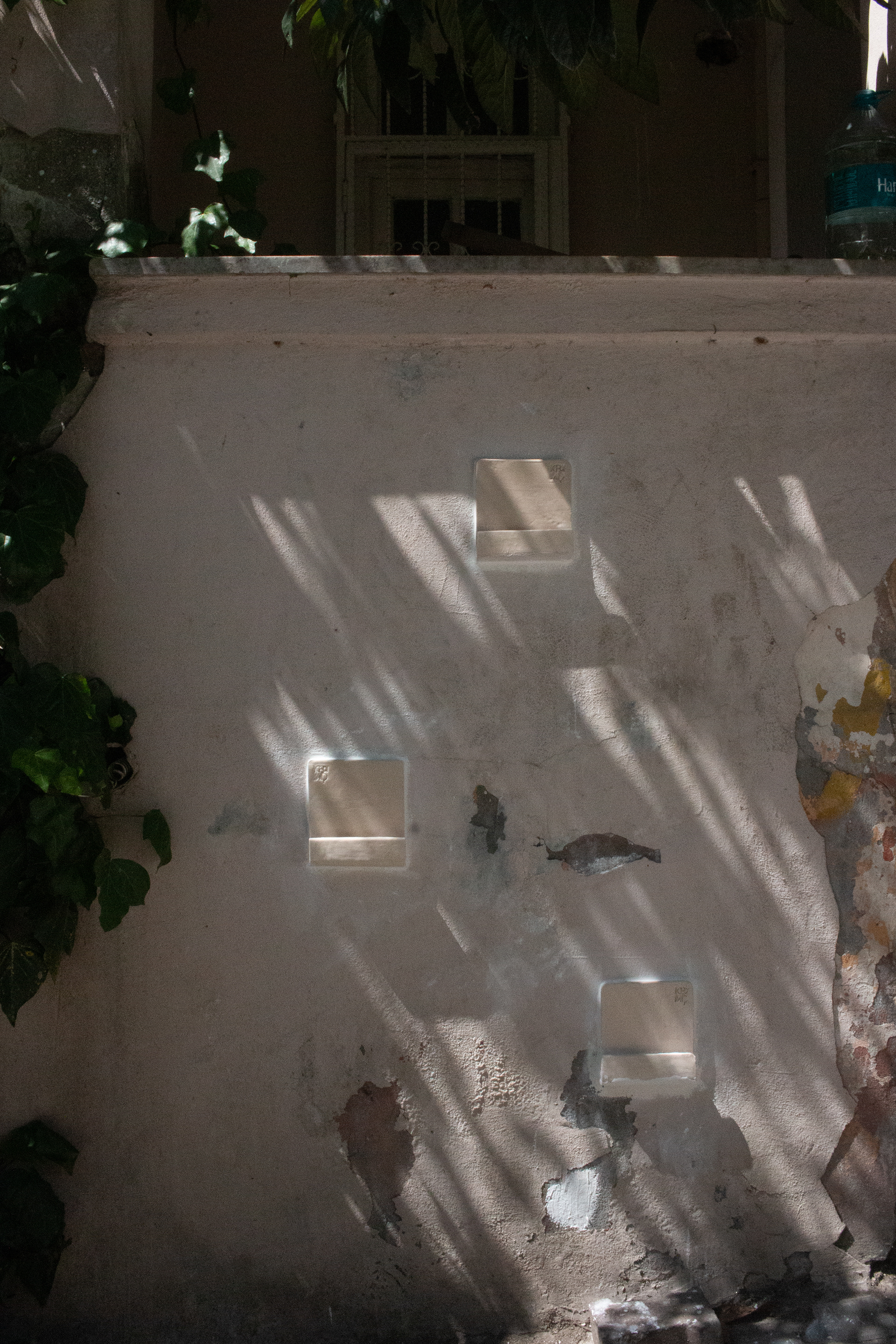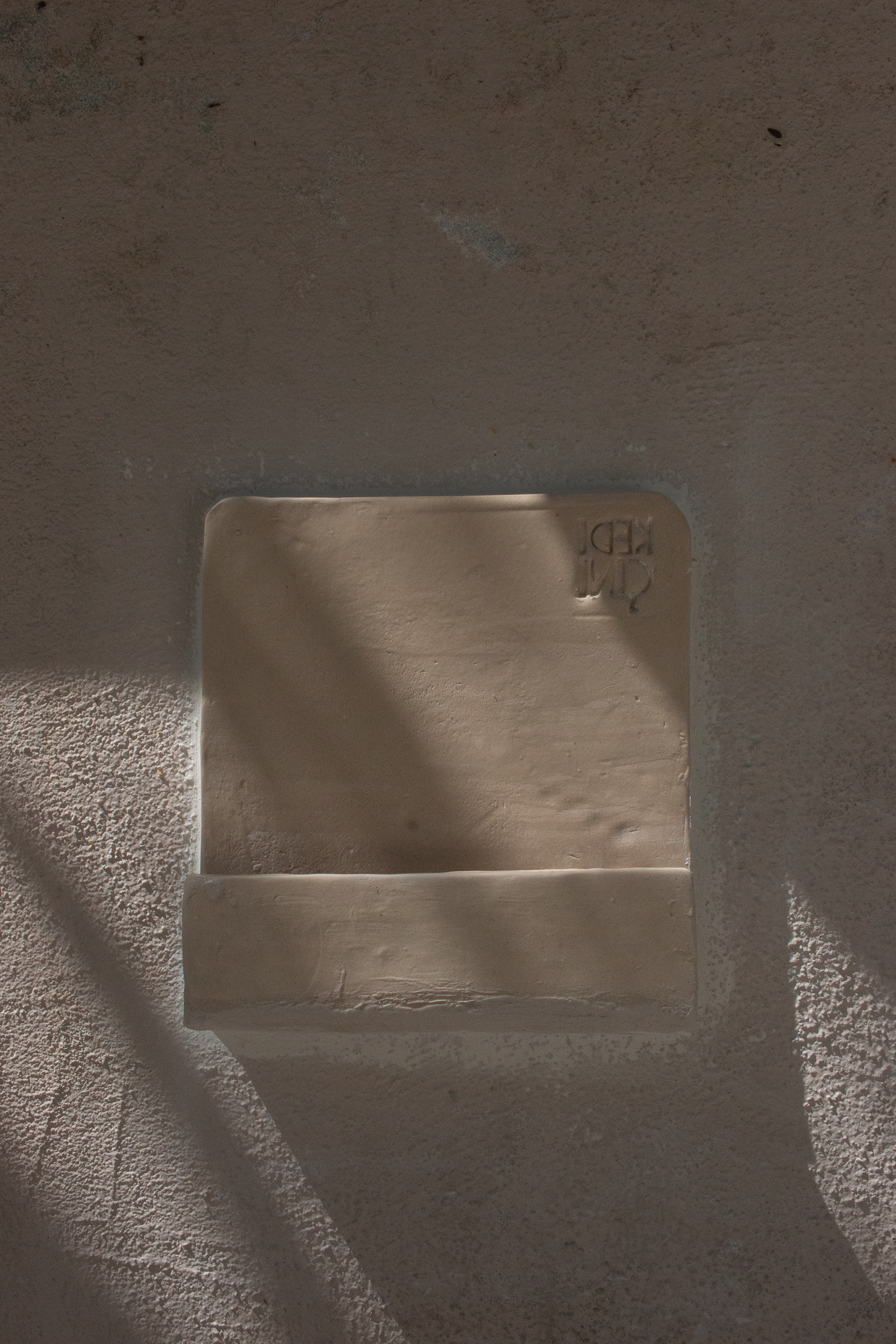
For me, Istanbul has become a very special place and two features caught my eye right from the start right from the start: The first is the ceramic tiles. Everywhere. In Istanbul, ceramic tiles play an important role in art and architecture. This tradition goes back to the Ottoman Empire and is an essential part of the city’s cultural heritage. Many of Istanbul’s famous buildings, such as the Blue Mosque and Topkapi Palace, are decorated with unique ceramic tiles.
The production of these tiles is also a highly respected art form that uses traditional techniques to create the typical designs. These are not only decorative, but also reflect the cultural identity and history of the city.
The production of these tiles is also a highly respected art form that uses traditional techniques to create the typical designs. These are not only decorative, but also reflect the cultural identity and history of the city.
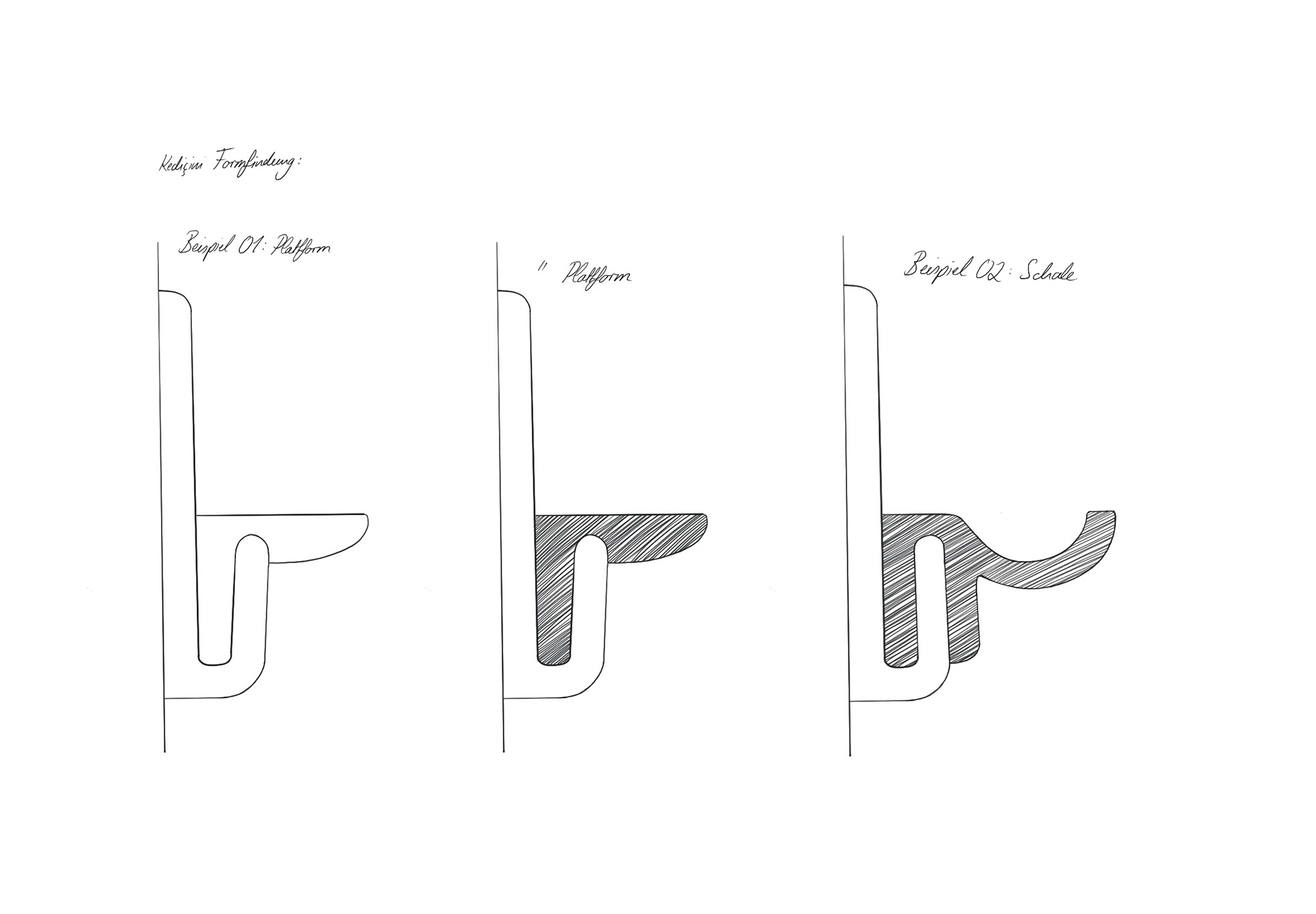
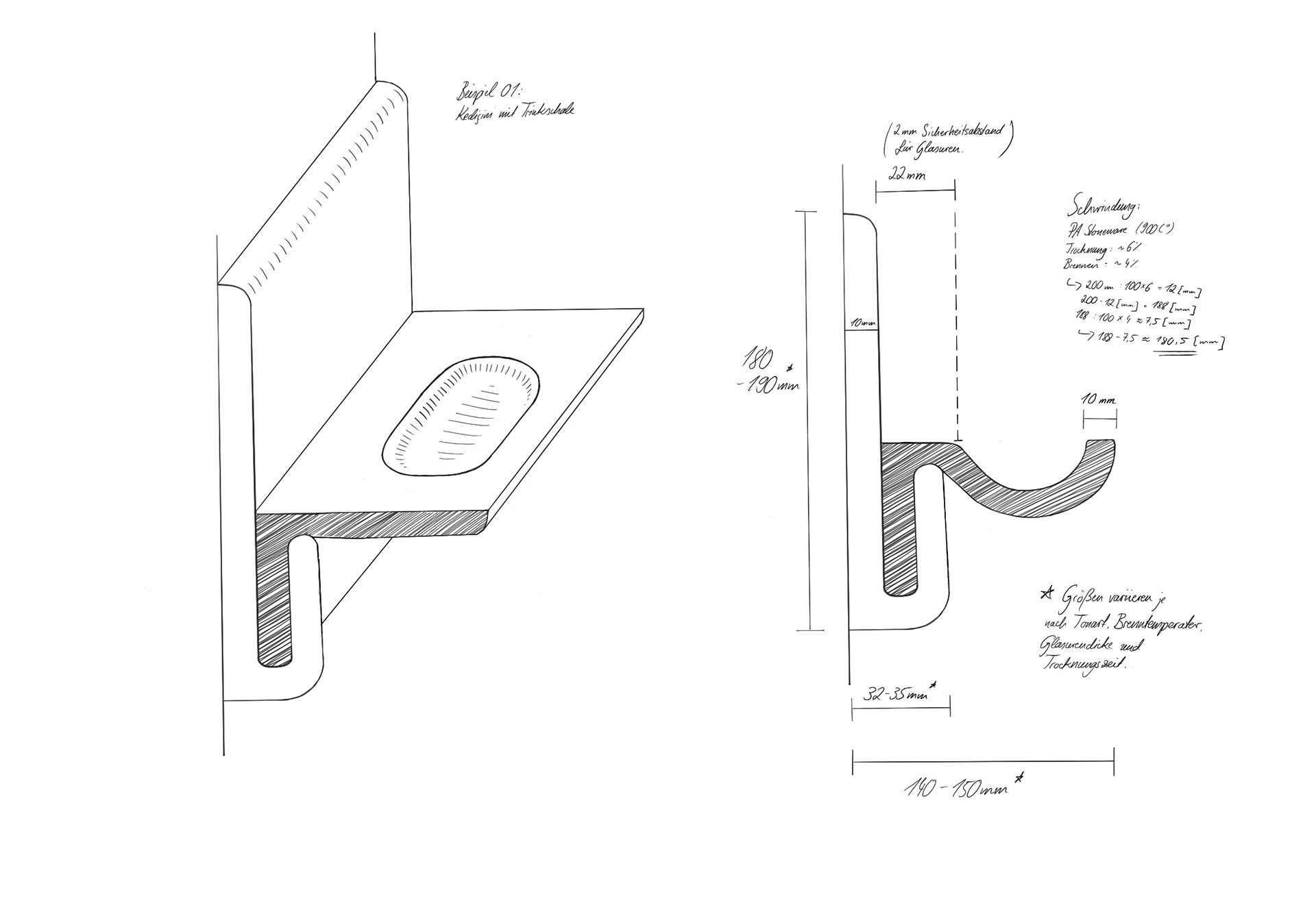
Process:
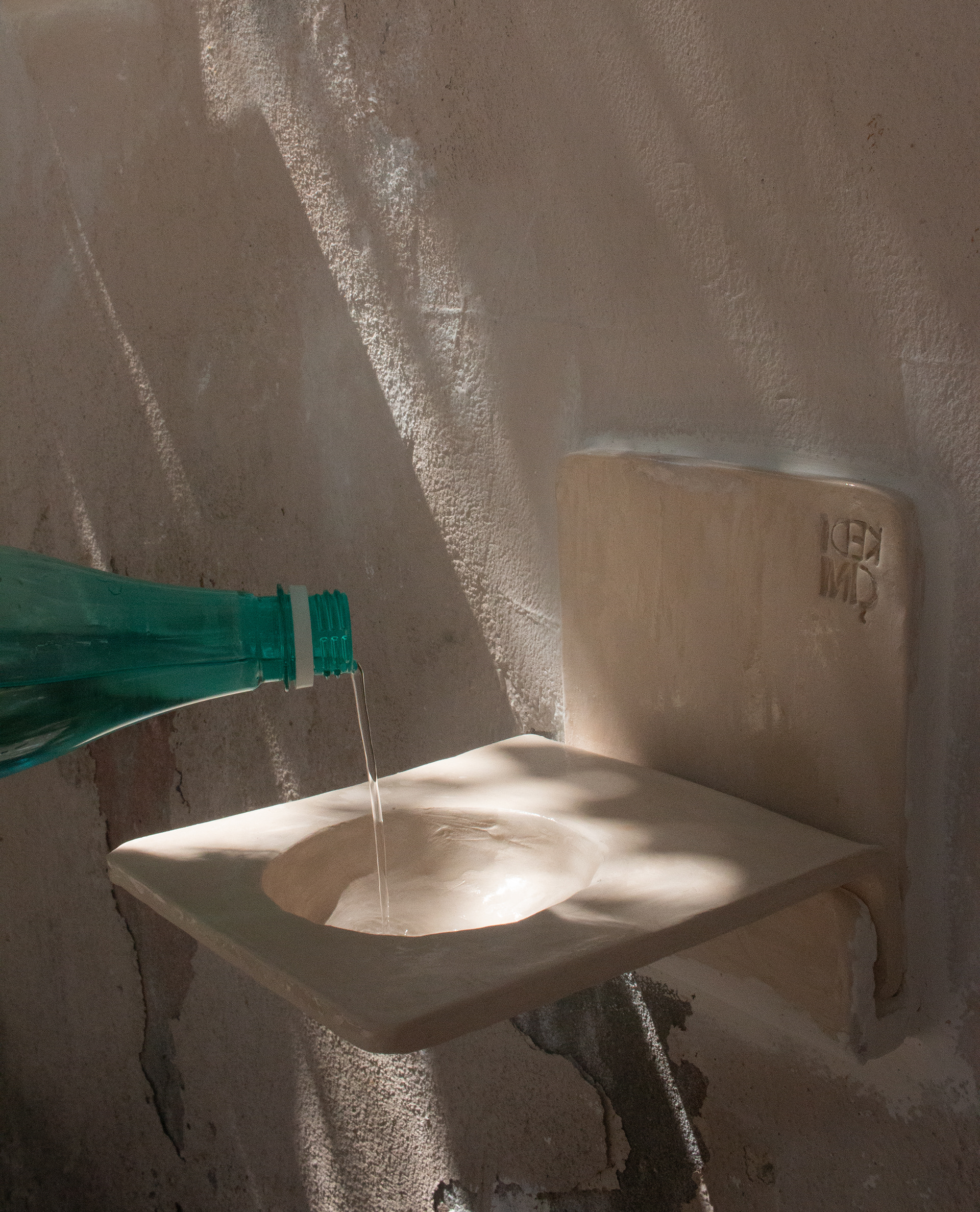
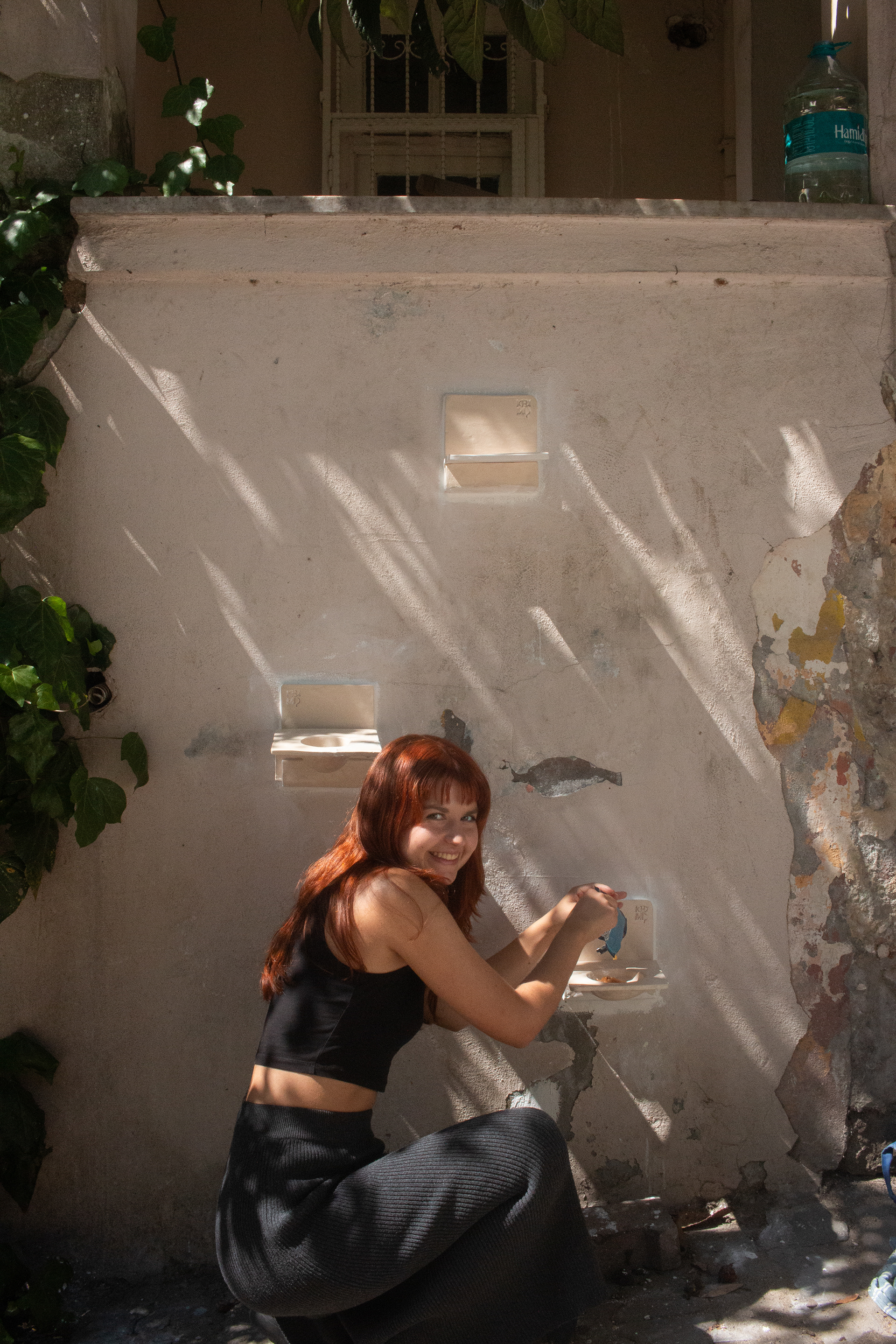
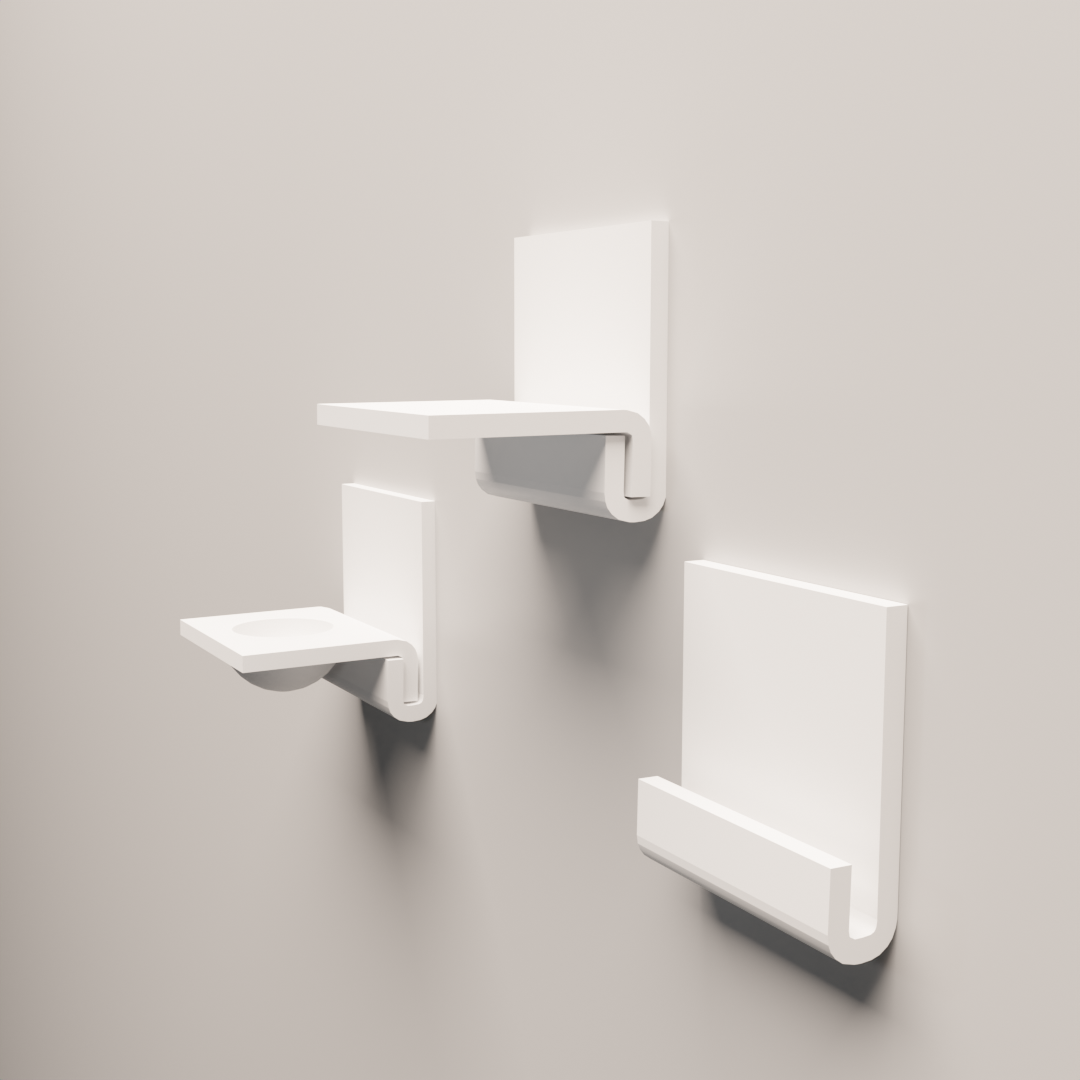
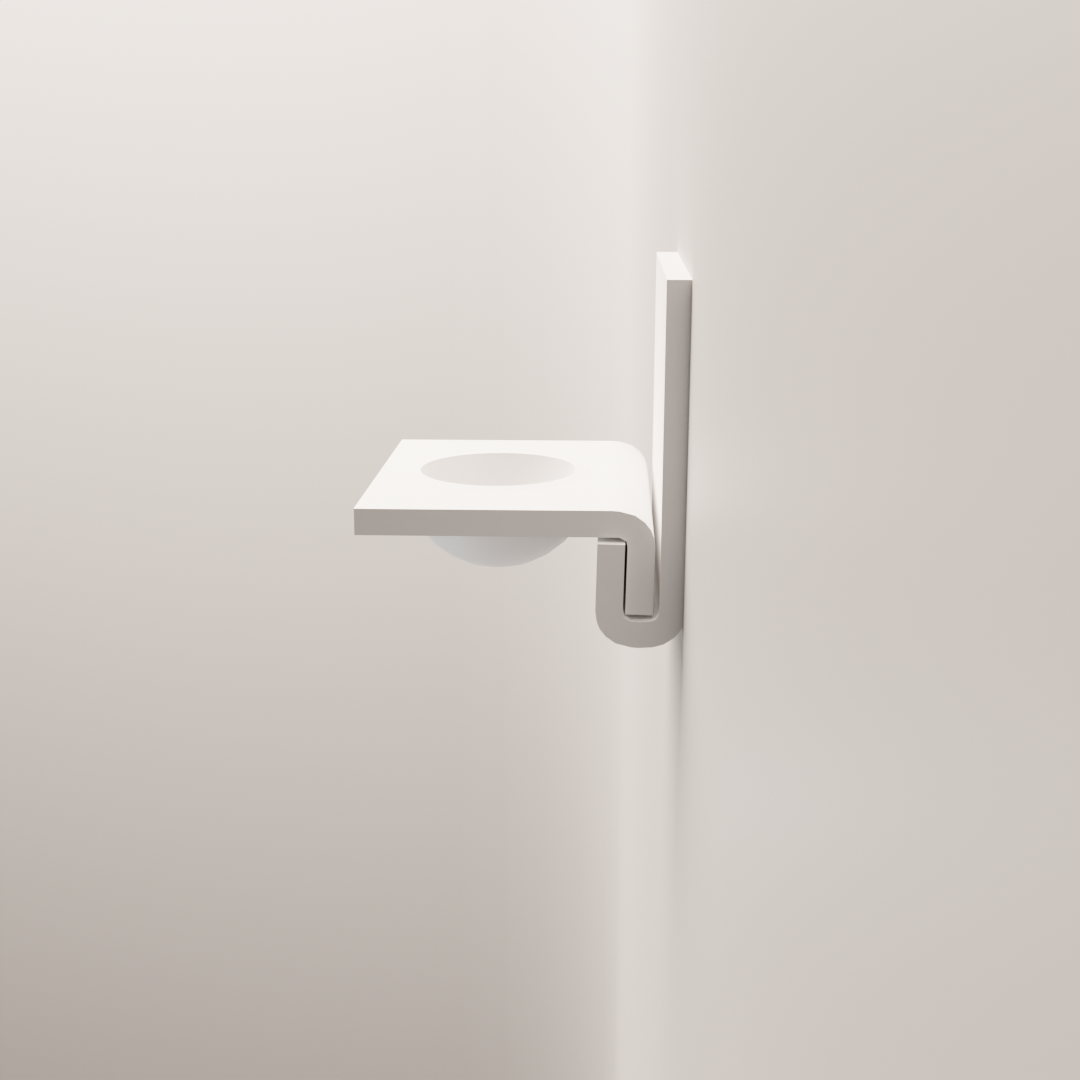
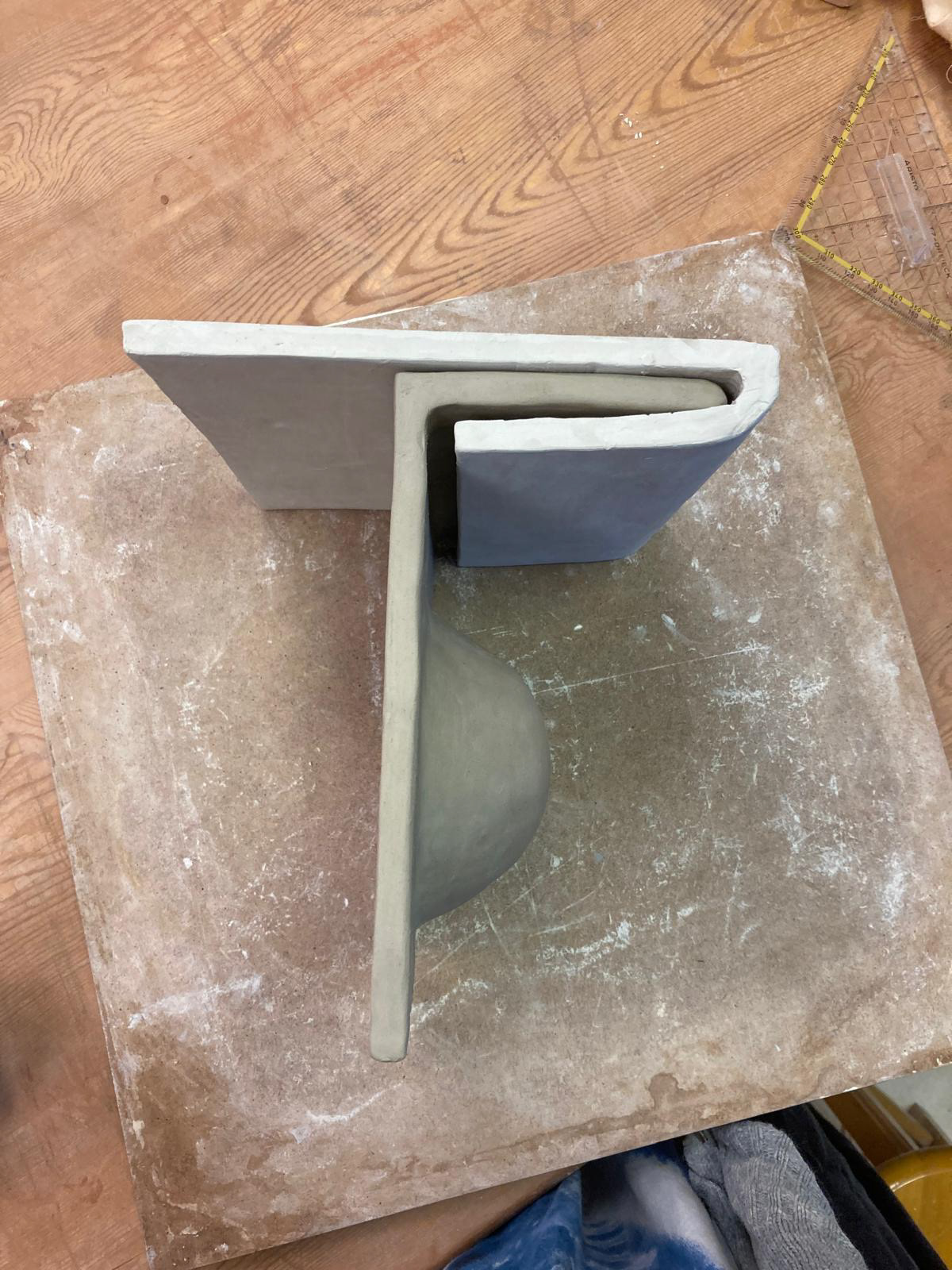
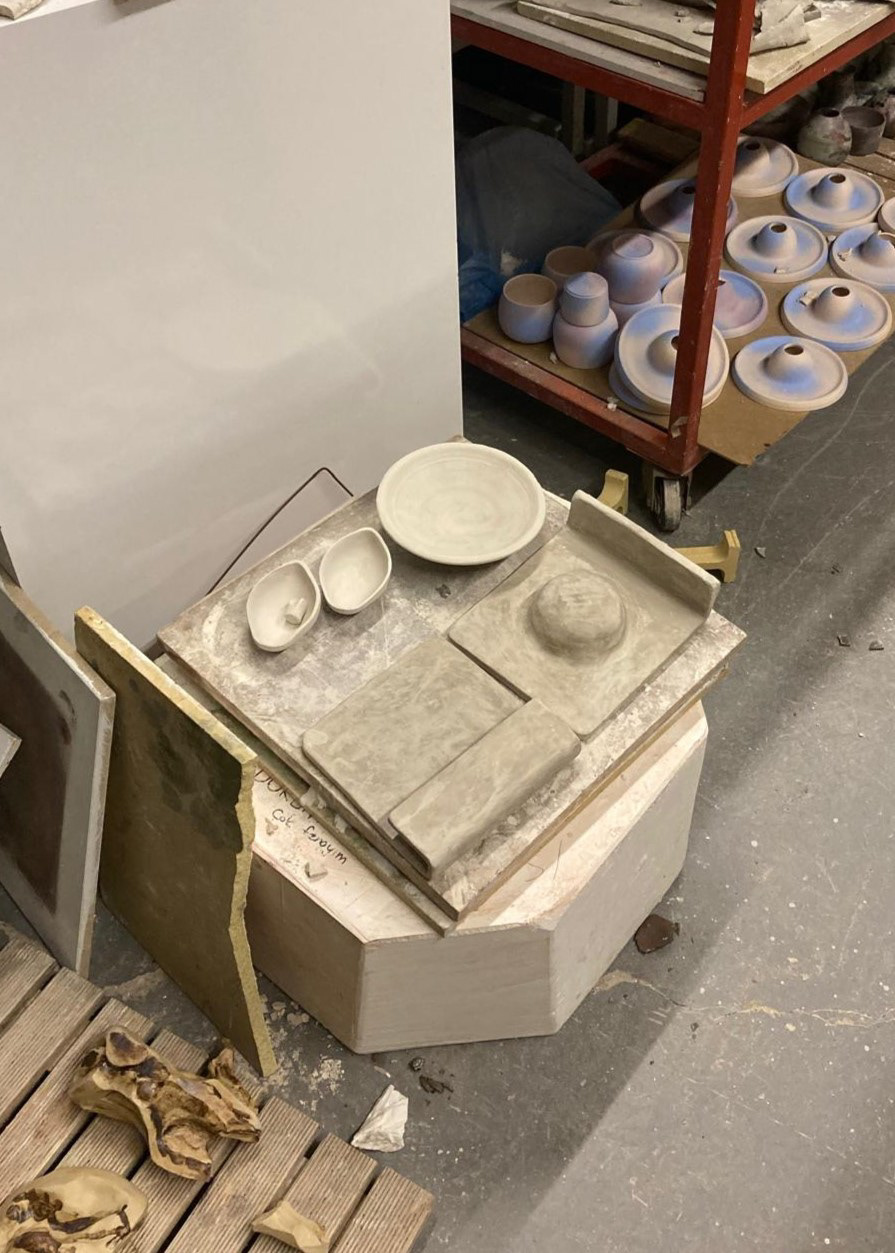
Accordingly, I have developed a concept for three-dimensional tiles. The tiles in my project consist of a main tile that is later cemented to the wall. Various other tiles can be inserted into this main tile using a suspension system. I visualised the whole thing with the help of 3D models and drawings.This modular plug-in system offers a wide range of possible uses.
And tiles also have some advantages:
Accordingly, I have developed a concept for three-dimensional tiles. The tiles in my project consist of a main tile that is later cemented to the wall. Various other tiles can be inserted into this main tile using a suspension system. I visualised the whole thing with the help of 3D models and drawings.This modular plug-in system offers a wide range of possible uses.
And tiles also have some advantages:
- Due to the glaze: water-resistant, hygienic and easy to clean
- Ceramic: heat-resistant (also suitable for public spaces) and environmentally friendly
- Inexpensive and durable
- Stores heat and can release it again
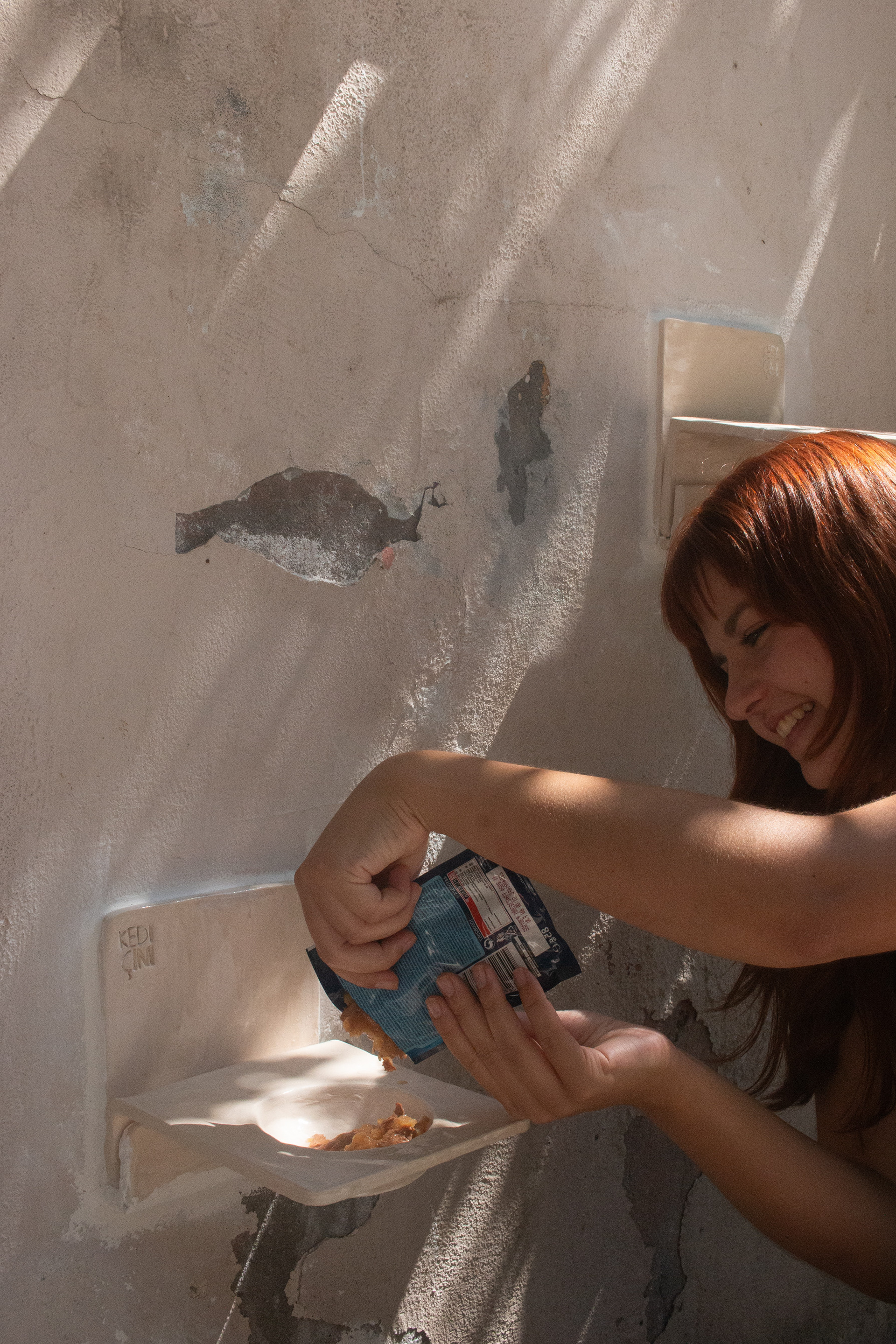
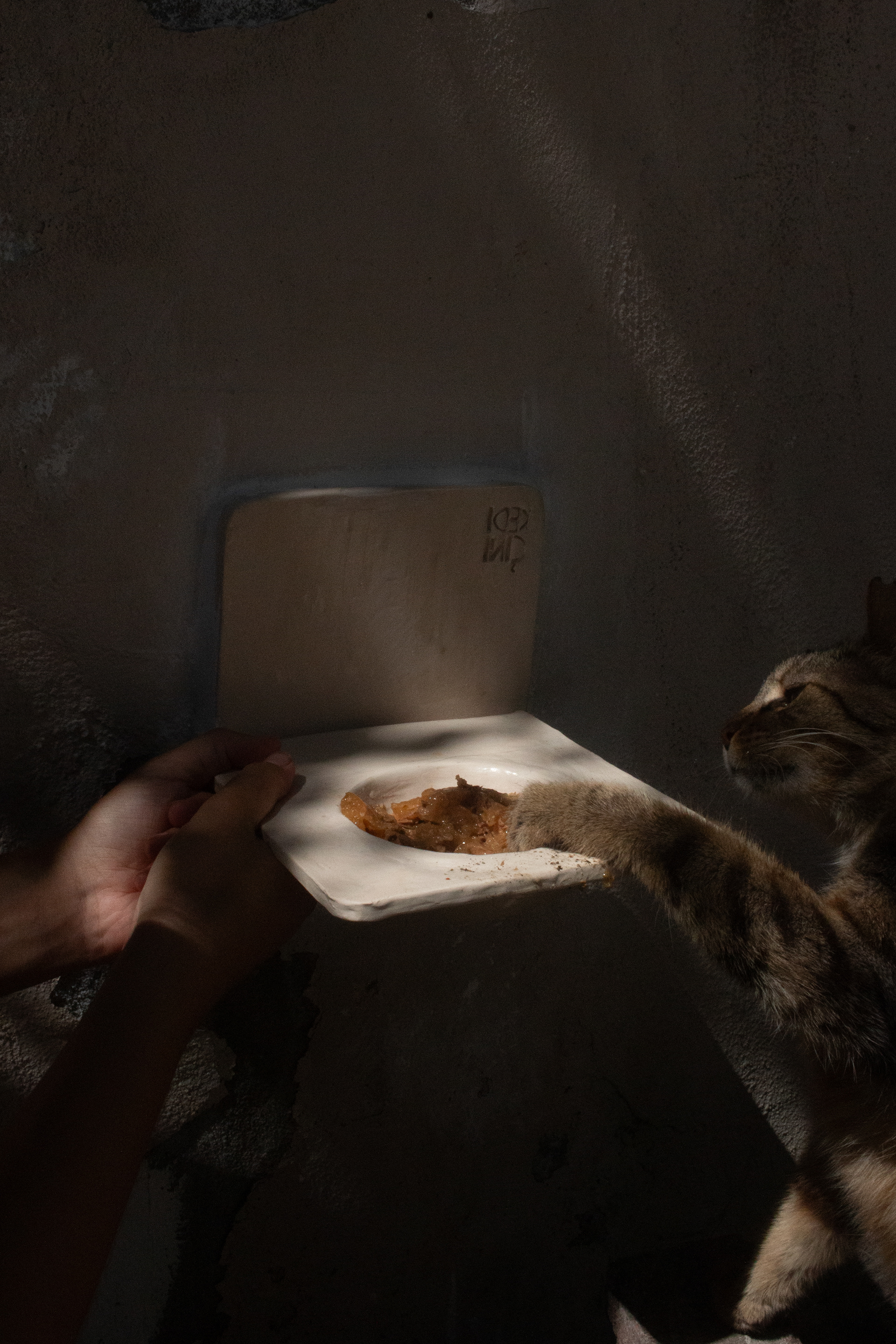
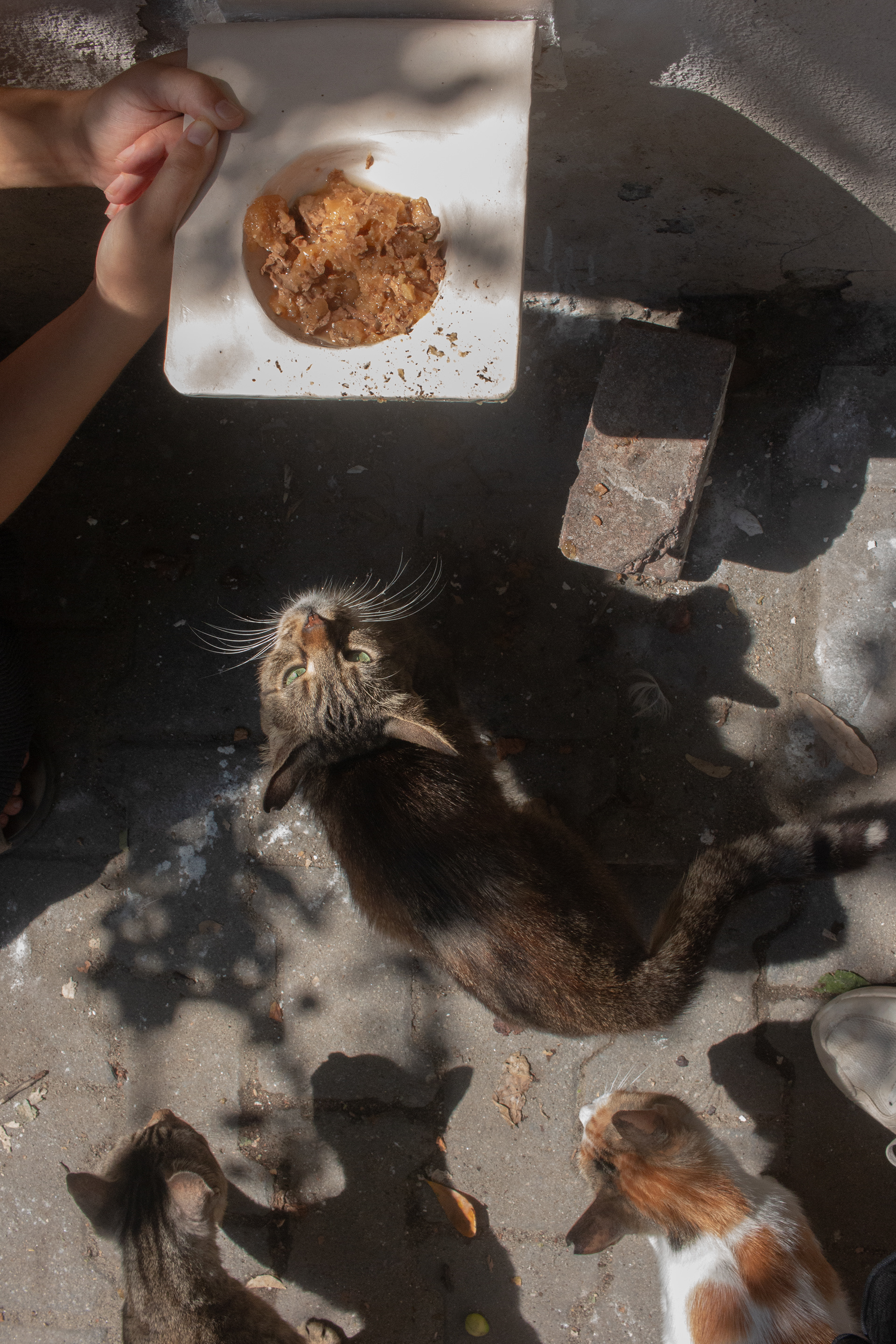
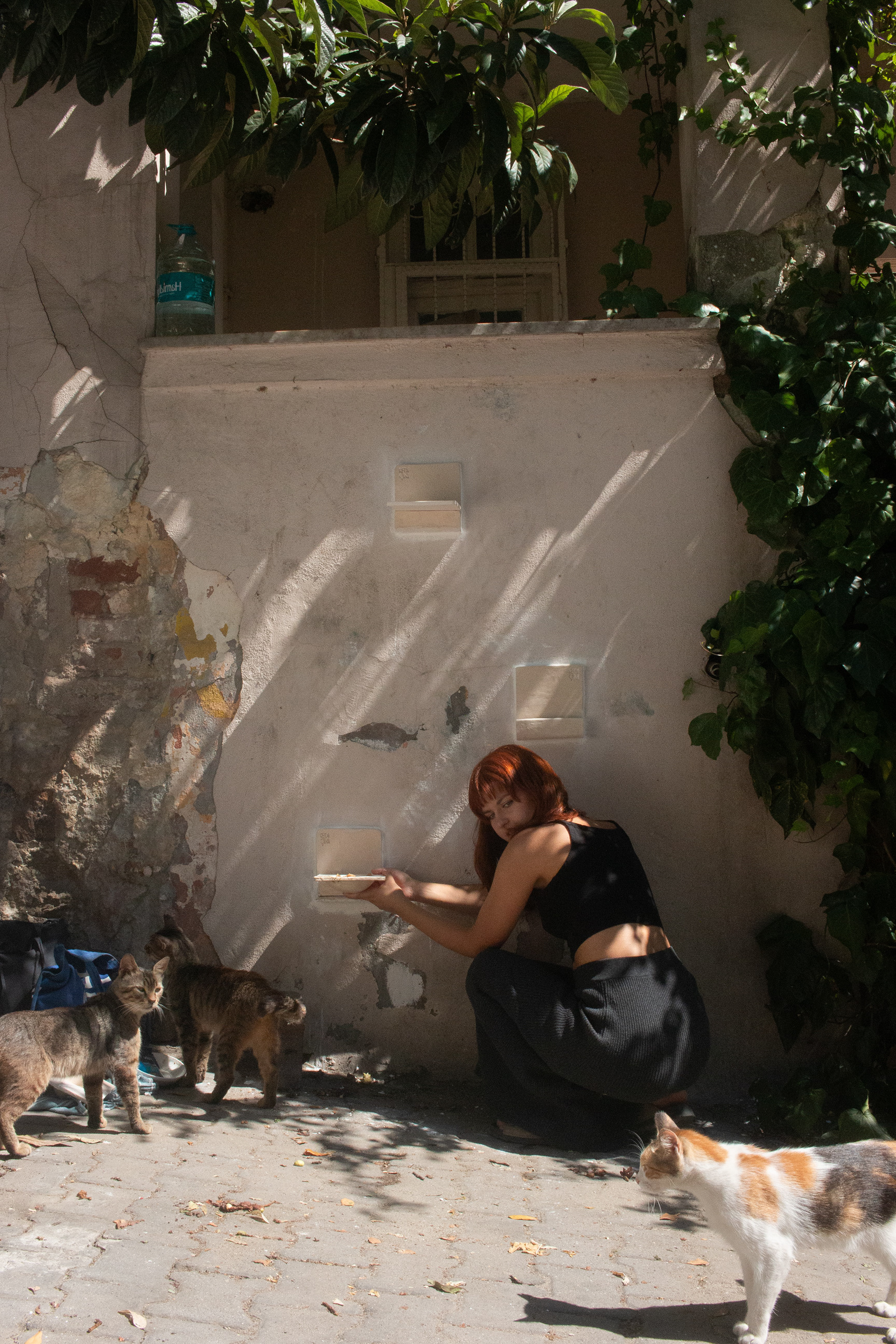
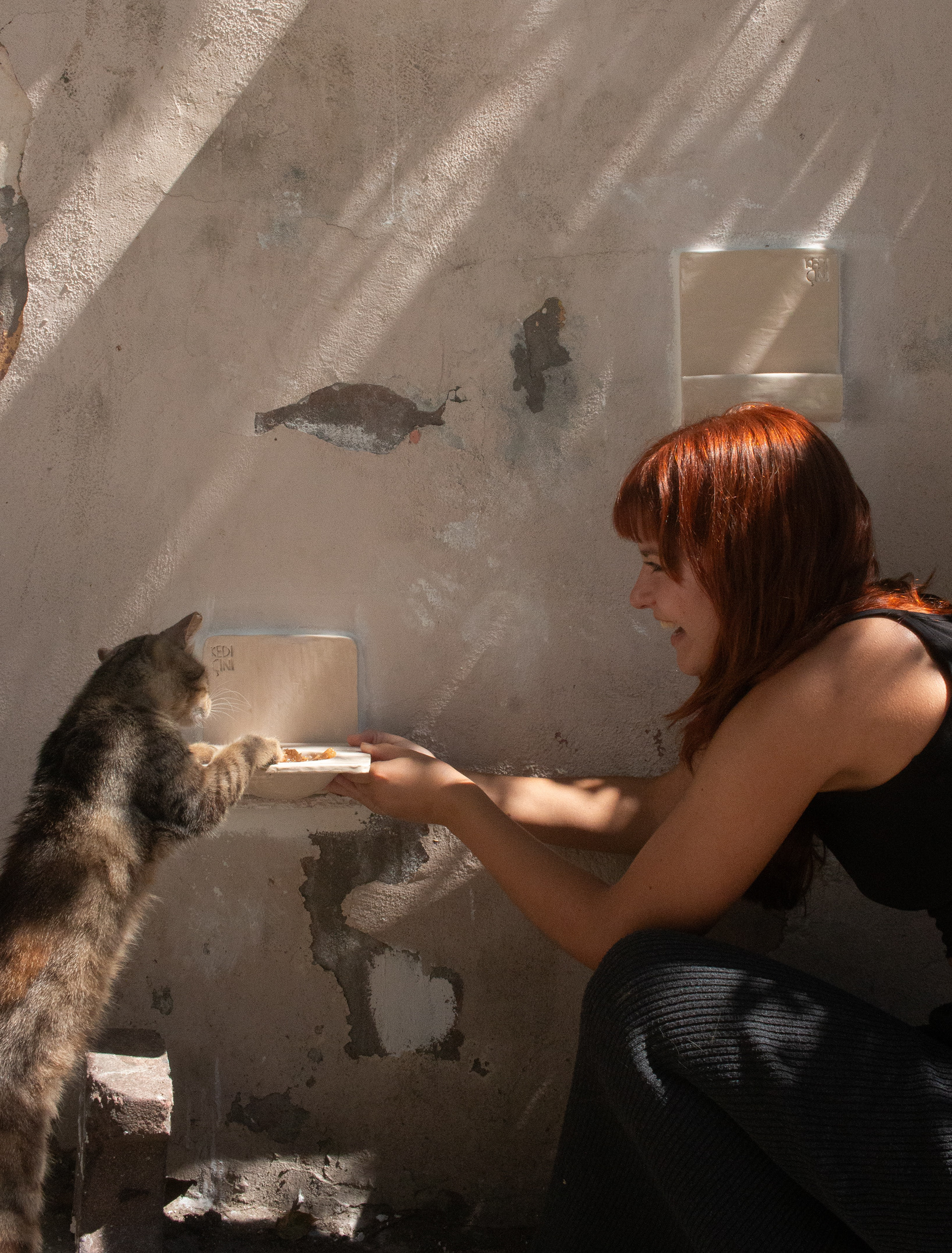
My modular flow plug-in system can therefore offer simple opportunities for co-design. They are intended for public use to strengthen social cohesion. To test this concept in Istanbul, I decided to create a small homage to the relationship to the relationship between cats and people in public spaces!
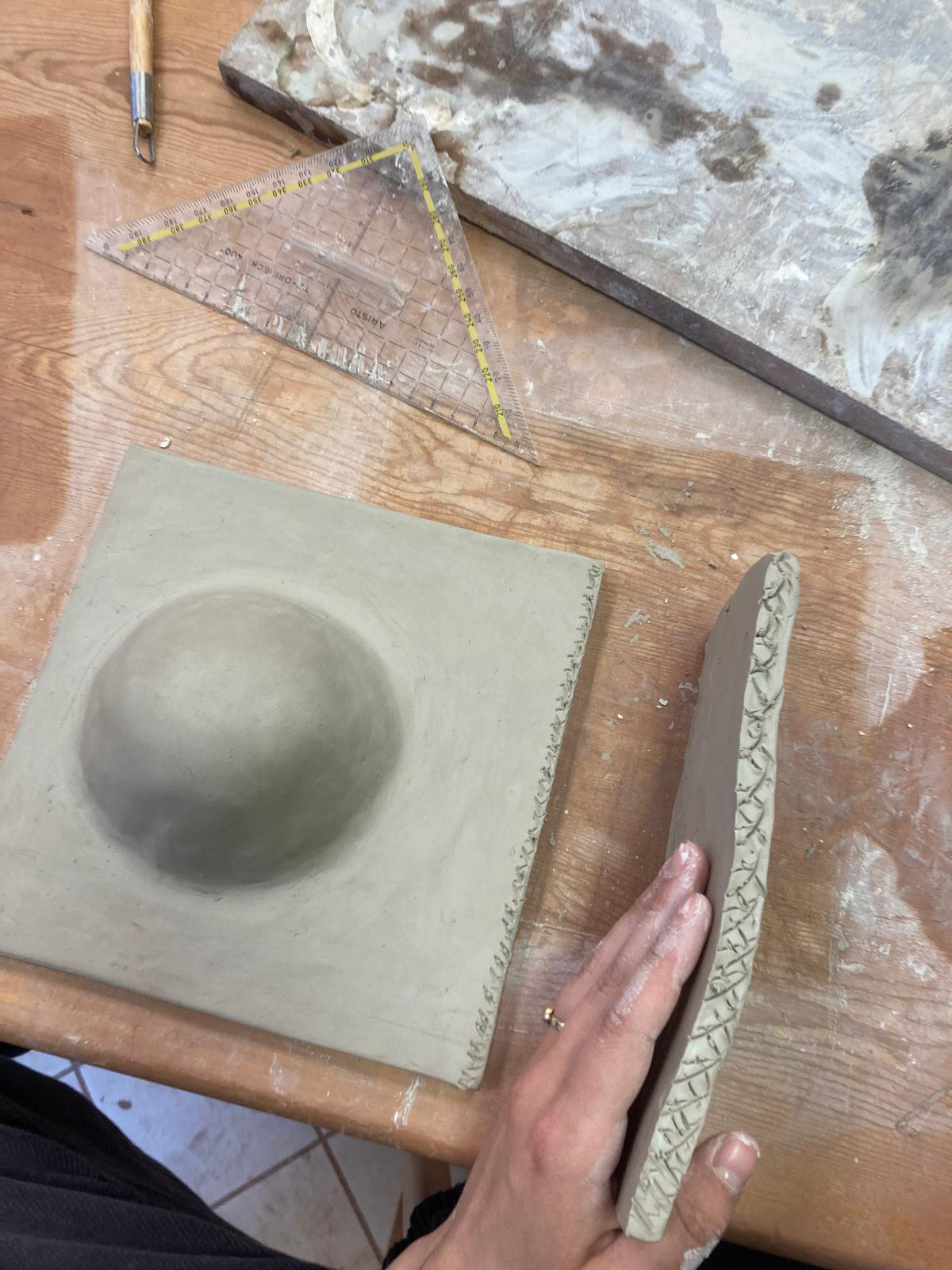
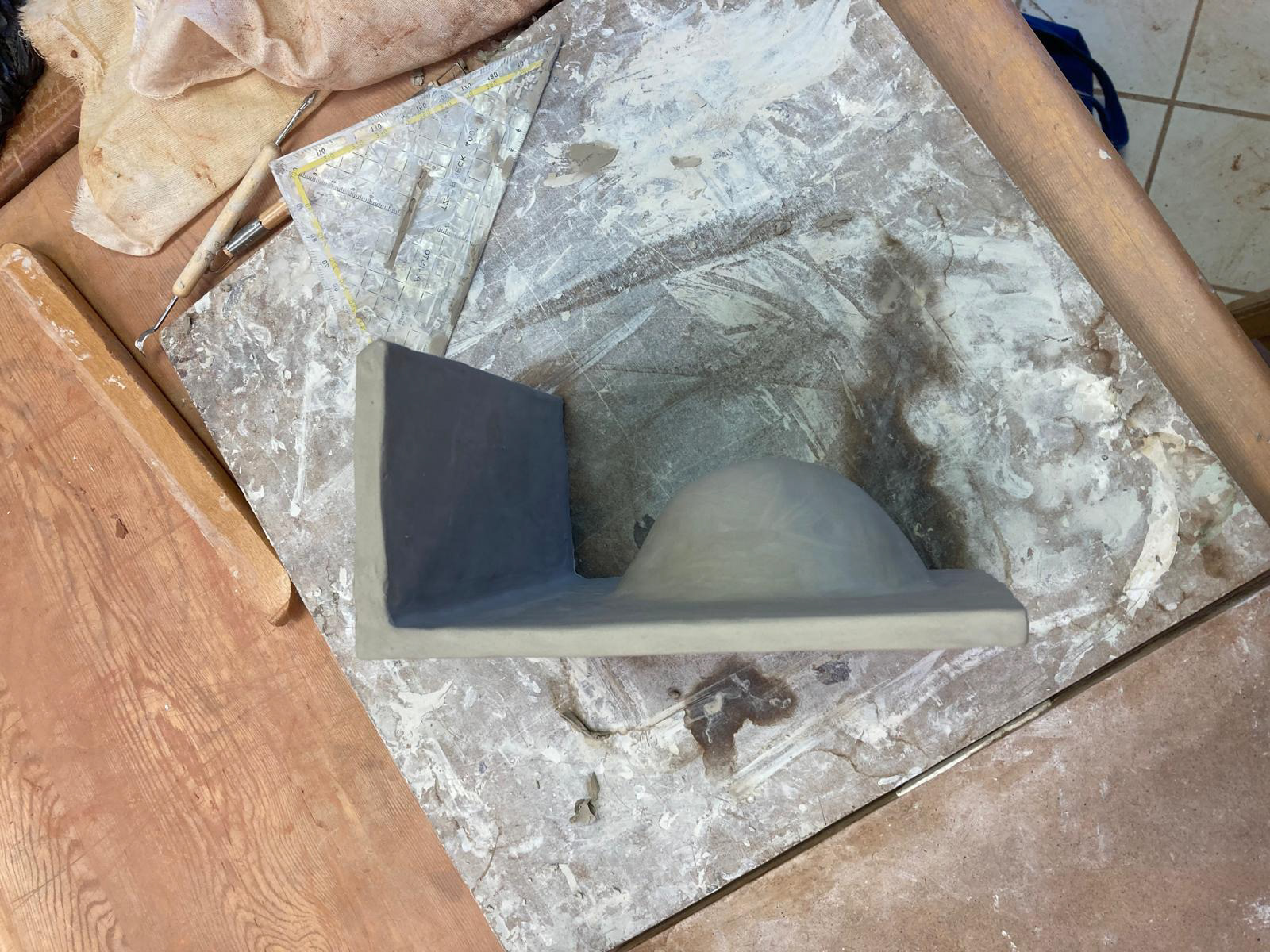
In Istanbul, cats and humans have a long tradition of living together, deeply rooted in the culture and history of the city. In Turkish culture and Islam, cats are considered pure animals and enjoy a special status. Stories and legends, such as that of the Prophet Mohammed, who cherished and cared for a cat, contribute to this positive view.
The people of Istanbul lovingly care for the city’s cats, providing food and water and looking after their welfare. As a result, cats have become a distinctive part of the city’s culture
and daily life in Istanbul. This beautiful example of public interaction has inspired me to apply the concept of three-dimensional tiles to the relationship between humans and cats in Istanbul.
The people of Istanbul lovingly care for the city’s cats, providing food and water and looking after their welfare. As a result, cats have become a distinctive part of the city’s culture
and daily life in Istanbul. This beautiful example of public interaction has inspired me to apply the concept of three-dimensional tiles to the relationship between humans and cats in Istanbul.